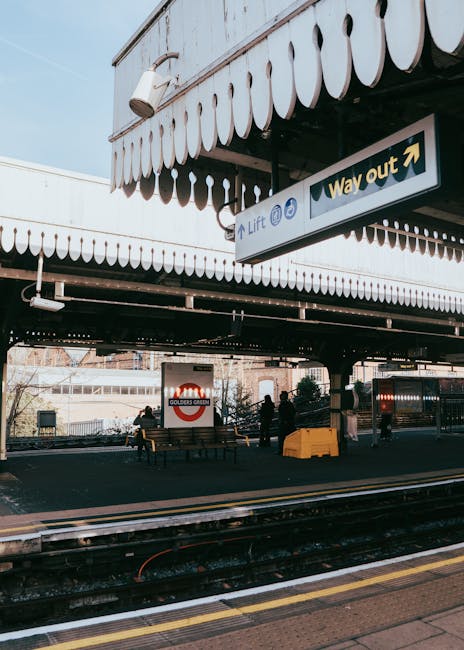
Ruislip Manor station moving tips for local house removals

If you are planning a move near Ruislip Manor station, the details matter more than people expect. A local house removal can be straightforward on paper, then suddenly a bit tricky on the day because of parking, narrow access, neighbours coming and going, or that one wardrobe that seemed perfectly sensible until it reached the hallway. These Ruislip Manor station moving tips for local house removals are designed to help you plan the move properly, avoid the awkward delays, and keep the whole process calmer from start to finish.
Whether you are moving from a flat close to the station, a terrace a short walk away, or a family home with a tight driveway, the same principle applies: local removals go best when you understand the area, prepare for the access, and know what to expect. Let's make it practical.
Why Ruislip Manor station moving tips for local house removals Matters
Moving near a station sounds convenient, and in many ways it is. You are usually well connected, the streets are familiar, and you do not need to cross half of London for a local move. But station areas also bring a few very real challenges: rush-hour foot traffic, buses, taxis, delivery vans, and parked cars that seem to appear from nowhere. Around Ruislip Manor, that mix can make loading or unloading slower than you expected.
Good moving tips matter because they help you work with the area instead of against it. A removal van arriving at the wrong time can get boxed in. A sofa measured "roughly" can get stuck at the doorway. A box of essentials packed last can become first-day chaos. Truth be told, the move itself is rarely the hard part. It is the small, overlooked things around the move that cause the most friction.
For local house removals, the aim is not just to transport belongings. It is to keep your day on track, protect your items, reduce stress for everyone involved, and avoid those little delays that snowball. If you live close to Ruislip Manor station, that is especially true because timing and access have a bigger effect than many people realise.
Expert summary: The best local move near Ruislip Manor station is usually not the fastest one on paper; it is the one that is scheduled carefully, packed smartly, and set up for the street conditions you actually have.
How Ruislip Manor station moving tips for local house removals Works
There is no secret system here, just a sensible sequence. A successful local move near Ruislip Manor station usually starts with a realistic survey of the property, followed by practical planning around access, packing, transport, and unloading. In a compact London area, each step has a knock-on effect. Skip one, and the whole day can feel harder than it needed to be.
The process normally looks something like this:
- Assess the property - note stairs, lift access, tight corners, shared entrances, and any items that need special handling.
- Check the road access - think about where a van can stop, whether parking is restricted, and how far items may need to be carried.
- Plan the timing - avoid peak traffic where possible and allow extra time if the move is happening around station busy periods.
- Pack in a sensible order - label rooms clearly, keep essentials separate, and avoid overloading boxes.
- Prepare for loading - protect floors, clear walkways, and keep bulky items accessible.
- Unload by priority - put beds, kitchen basics, and important documents where you can reach them quickly.
This is where local experience really helps. A moving team familiar with local house removals around station areas will usually expect tighter manoeuvres, shorter loading windows, and a bit more coordination with parking and neighbours. Nothing dramatic. Just the kind of detail that saves an hour here and there. And on moving day, an hour can feel like gold.
One thing people often miss: the move is not only about transport. It is also about sequence. For example, if the keys are due at midday but the van arrives early, you do not want to be standing around with bags, coats, and a sleepy child wondering where the kettle went. Sequence matters. A lot.
Key Benefits and Practical Advantages
Done properly, local moving around Ruislip Manor station can be remarkably manageable. The benefits are not just about convenience; they are about control. A well-planned removal reduces uncertainty, which is usually what people remember most afterwards.
- Less stress on the day - you know where things are, what time the van is due, and what happens next.
- Faster loading and unloading - proper preparation cuts down on repeated trips and confusion.
- Lower risk of damage - good packing and clear access reduce knocks, scrapes, and crushed boxes.
- Better use of local access - the right timing can make station-area loading far easier.
- Cleaner handover - if you are leaving a rented or sold property, a tidy, organised exit helps the move finish well.
There is also a hidden benefit: confidence. When you have a plan, the whole day feels less like a scramble. You do not need to be a logistics expert. You just need a few smart habits, and the willingness to start early. That is usually enough.
| Approach | What it usually means | Best for | Main trade-off |
|---|---|---|---|
| DIY move | You hire a van and handle packing and lifting yourself | Small moves, lower budgets, flexible timing | More physical effort and more chance of delays |
| Man and van | Transport support with lighter-scale loading help | Single-room moves, flats, shorter local moves | May be less suitable for larger households |
| Full removals service | Packing, loading, transport, and unloading support | Family homes, busy schedules, fragile items | Usually costs more, but saves a lot of effort |
For many people moving near Ruislip Manor station, the full-service option gives the best balance because access issues and timing can be fiddly. But if you only have a few items, a smaller service can be perfectly sensible too.
Who This Is For and When It Makes Sense
This advice is useful for a wide range of movers. If you are local to Ruislip Manor station, there is a good chance at least part of this will apply to you.
- Flat movers who need to manage stairs, lifts, or shared hallways.
- Families moving from a house with plenty of furniture and a lot of boxes.
- First-time movers who need a simple structure and clear priorities.
- Older residents who may want extra help with lifting, packing, or timing.
- Busy professionals who need the move to fit around work and commuting.
- Landlords and tenants managing a deadline between tenancies.
It makes sense especially when the street outside is not generous with parking, when furniture is bulky, or when you are juggling access times with building rules. You know the sort of thing. The move itself may only take a few hours, but the preparation has to do the heavy lifting.
If you are debating whether to do it yourself or book help, ask yourself a simple question: do you want to save a bit of money, or do you want to save your back and a few nerves as well? Sometimes the answer is obvious. Sometimes it is not. Both are fair.
Step-by-Step Guidance
Here is a practical route through the whole process. Nothing flashy. Just a solid, real-world approach that works well for local house removals near Ruislip Manor station.
1. Start with a proper inventory
Walk through each room and note the large items first: beds, wardrobes, sofas, tables, washing machines, mirrors, plants, and anything awkwardly shaped. Then add smaller items. This helps you judge van size, packing materials, and time. It also makes it easier to spot what can be sold, donated, or recycled before the move.
2. Measure the awkward bits
Measure doorways, stair bends, hallway widths, and the dimensions of any bulky furniture. If you have ever watched a sofa stop dead at a landing, you will know why this matters. It is one of those small bits of prep that can save a huge headache later.
3. Plan around access and parking
Near a station, access can be the difference between a calm load and a frustrating one. Think about where the vehicle can safely stop, how long loading may take, and whether anything could block the route. If there is limited parking, build in extra time. It sounds obvious, but on the day people often assume it will sort itself out. It rarely does.
4. Pack room by room
Do not create mystery boxes. Label each box with the room and, if possible, the general contents. Keep heavy items in smaller boxes, and use stronger boxes for books and kitchenware. Lightweight items can go in larger boxes, but do not be tempted to overfill them. Your wrists will thank you.
5. Create an essentials box
This is the box you need first, not last. Put in phone chargers, medication, toiletries, kettle, tea or coffee, basic snacks, a change of clothes, important documents, and a few tools. If you have children, add comfort items. If you have a pet, include food and feeding bowls. It is a small box with a big job.
6. Protect the property
Use floor coverings, corner protectors, and door protection where appropriate. A clean exit matters, particularly if you are renting and want to leave on good terms. Even when nobody is being fussy, it is kinder to the property and easier for everyone involved.
7. Load in the right order
Load heavier items first, then stack lighter boxes and softer items around them. Keep essentials accessible if you will need them quickly at the new place. Beds, wardrobes, and dining tables usually need a bit more thought, so it helps to have them near the van door at the right time.
8. Check off the old and the new
Before you leave, walk through the old property room by room. Check cupboards, loft spaces, window sills, shed areas, and behind doors. At the new property, do a quick condition check and note any visible issues straight away. That little pause can save confusion later. Worth it, every time.
Expert Tips for Better Results
A few small decisions can make a moving day feel dramatically smoother. These are the sorts of tips that tend to come from experience rather than theory.
- Book the mover with the access in mind - not just the distance. A short local job can still be tricky if loading is awkward.
- Avoid peak congestion where possible - a slightly earlier or later slot may reduce delays around station traffic.
- Keep keys, documents, and valuables with you - not in the removal van.
- Use colour-coded labels if you can - kitchen items in one colour, bedroom boxes in another, and so on.
- Disassemble furniture ahead of time - if it is safe to do so. Keep screws and fittings in clearly marked bags.
- Tell neighbours in advance if needed - especially if a van will temporarily use shared access space.
- Keep a simple moving-day timeline - it sounds a bit too organised, but it genuinely helps.
One slightly old-school tip still works brilliantly: tape a list to the front door. It can be a checklist, a loading note, or a reminder of the things that must not be forgotten. Not glamorous. Very effective.
And if you are doing the move in winter, allow for damp paths, dark corners, and that early-afternoon grey light that seems to arrive without warning. A torch in the essentials box can be a lifesaver. Mildly unexciting. Incredibly useful.
Common Mistakes to Avoid
Most moving problems come from a handful of avoidable mistakes. The good news is that once you know them, they are pretty easy to sidestep.
- Underestimating access issues - the van may park fine, or it may not. Build in a contingency.
- Leaving packing too late - late packing usually means damaged items and missing essentials.
- Using oversized boxes for heavy items - a box full of books can become alarmingly heavy.
- Forgetting to measure furniture - especially for stair turns and tight doorways.
- Not confirming the moving window - if keys, access, or building rules are involved, timing matters.
- Mixing essentials with general boxes - classic mistake, and it always bites later.
- Assuming local means simple - local often means shorter distance, not necessarily easier logistics.
The smallest error can create the longest delay. A missing label can send you hunting through ten boxes for a toaster. A poor parking assumption can add thirty minutes to a load. Nothing dramatic, just annoying in a very human way.
Tools, Resources and Recommendations
You do not need a mountain of equipment to move well. A few practical tools make a big difference.
- Sturdy boxes for general packing and fragile items.
- Packing tape and a dispenser to save time and keep boxes sealed properly.
- Marker pens for clear labels on multiple sides of each box.
- Bubble wrap or packing paper for glassware, artwork, and delicate household items.
- Blankets and protective wraps for larger furniture pieces.
- Furniture tools such as screwdrivers or Allen keys for disassembly.
- Trolley or sack truck for heavier items, if suitable for your property layout.
- Rubbish sacks and cleaning supplies for last-minute tidying and clear-out work.
For service recommendations, the best option is usually the one that matches your property size, access conditions, and how much lifting you want to do yourself. If you are moving from a compact flat near the station, you may only need a small team. If you are moving a family house with larger furniture, a fuller removals service is often more sensible.
You may also want to compare packing help, furniture dismantling, storage options, and the level of insurance cover available. That last point is easy to gloss over. Try not to. It is one of those dry topics that becomes very interesting if something gets damaged.
Law, Compliance, Standards, or Best Practice
For local house removals in the UK, the practical side of compliance usually matters more than the paperwork itself. You are not generally dealing with anything complicated, but a few standards and normal expectations are worth keeping in mind.
Parking and access: if a van is going to stop near the station or on a residential street, make sure the arrangement is sensible and lawful. Restrictions can vary, and local enforcement can be strict in the wrong place at the wrong time. It is wise to check access in advance rather than improvising on moving day.
Health and safety: lifting and carrying should be done carefully, especially for heavy furniture or awkward white goods. Use correct technique, take breaks, and do not try to be heroic. A bad back is not a badge of honour.
Property care: tenants should be mindful of tenancy obligations, cleaning expectations, and leaving the property in a reasonable state. Homeowners should still protect floors and walls to avoid preventable damage.
Insurance: it is sensible to understand what cover is included for transport, loading, and unloading. Policies differ. Ask clear questions before the move rather than after a problem has already happened.
Environmental responsibility: dispose of unwanted items responsibly where possible. Reuse, donate, or recycle what you can, and separate out waste before moving day if you have the time. It makes the load lighter and the move cleaner.
This is all standard best practice, but it is worth saying plainly: a careful, well-organised move is usually safer, smoother, and more respectful of everyone involved. Simple as that.
Options, Methods, or Comparison Table
If you are deciding how to handle a move near Ruislip Manor station, the best method depends on budget, volume, and how much help you need. Here is a straightforward comparison.
| Method | What you handle | What the mover handles | Good choice if... |
|---|---|---|---|
| Self-move | Packing, lifting, driving, unloading | Usually just the vehicle hire | You have few items and plenty of time |
| Part-service move | Some packing or smaller items | Loading, transport, heavier furniture | You want help where it matters most |
| Full removals service | Light prep and personal essentials | Packing, loading, transport, unloading | You want convenience and less physical strain |
For station-area moves, the full removals service often feels easier because timing and parking can be managed more confidently. That said, if you are moving just a small flat or one room, a simpler arrangement may be perfectly adequate. No need to overcomplicate it.
Case Study or Real-World Example
Here is a realistic example based on the kind of local move people often do around Ruislip Manor station.
A couple moving from a two-bedroom flat near the station had a tight schedule: keys at midday, limited parking, and a sofa that looked fine in the lounge but slightly less cooperative in the hallway. They started by measuring the larger furniture and checking the route from the flat to the road. They also packed an essentials box with chargers, mugs, snacks, and cleaning supplies. Smart move. Really saved them later.
On the morning of the move, they kept the hallway clear, labelled every box by room, and had the beds dismantled the day before. The removal team arrived with enough time to work around the access point, and the loading was smoother than expected because nothing had to be decided on the fly. The sofa still needed careful handling. Of course it did. But because the route was checked earlier, there was no panic, just a bit of lifting and some sensible angle-changing.
The lesson is simple: local removals near a station do not need to be chaotic. A bit of measurement, timing, and organisation goes a very long way. Small effort up front, much less stress later.
Practical Checklist
Use this checklist in the final few days before moving. It is simple on purpose.
- Confirm the moving date, access time, and key handover plan.
- Check parking or stopping arrangements near the property.
- Measure large furniture and awkward doorways.
- Label boxes clearly by room and priority.
- Pack an essentials box for the first night.
- Keep documents, valuables, and keys with you.
- Dismantle furniture if needed and store fixings safely.
- Protect floors, corners, and door frames where appropriate.
- Set aside cleaning items for the old property.
- Walk through every room before leaving to check for forgotten items.
If you have a moment the night before, set the kettle out. Sounds small. It really is not. That first hot drink in a new place can feel like a tiny reset.
Get a free quote today and see how much you can save.
Conclusion
Ruislip Manor station moving tips for local house removals are really about making a familiar local move feel less crowded, less rushed, and far more manageable. Once you plan for access, timing, packing order, and the realities of moving in a station area, the day becomes much easier to handle.
The best moves are rarely the most dramatic ones. They are the ones where the boxes are labelled, the route is clear, the essentials are handy, and nobody is standing in the hallway asking where the kettle went. A little preparation gives you that breathing room. And honestly, that is often the difference between a stressful day and a decent one.
Take it step by step, trust the basics, and give yourself a bit of margin. You will be glad you did.
Frequently Asked Questions
What should I do first when moving near Ruislip Manor station?
Start by checking access, parking, and the size of the items you need to move. Then build your packing plan around those realities. It sounds boring, but it saves a lot of bother later.
Are local removals near the station harder than other local moves?
Often, yes, because station areas can have more traffic, less parking flexibility, and more people moving through the area. The move is still very manageable, just a bit more dependent on timing and planning.
How far in advance should I book a removal service?
As soon as you know your moving date, especially if you are moving at the weekend or around month-end. Local services can fill up quickly, and having a fixed slot helps the rest of the plan fall into place.
What is the best way to avoid delays on moving day?
Pack early, label everything clearly, confirm access details, and keep your essentials separate. Delays usually come from poor preparation, not from the distance itself.
Do I need help with packing as well as transport?
That depends on how much you are moving and how much time you have. If you have a small amount of furniture, transport only may be enough. If you have a full household or fragile items, packing help can make a big difference.
How do I prepare furniture for a local house removal?
Take apart what can be safely dismantled, bag the fittings, wrap vulnerable edges, and measure anything bulky before moving day. If something looks awkward, it probably is, so treat it that way.
What should go in an essentials box?
Keep a kettle, mugs, chargers, toiletries, medication, snacks, basic tools, important documents, and a change of clothes in one easy-to-reach box or bag. Think of it as your first-night survival kit.
Is a man and van service suitable for a move near Ruislip Manor station?
Yes, for smaller moves or lighter loads it can be a sensible choice. For larger homes, heavier furniture, or more complicated access, a fuller removals service may be better.
How can I protect walls and floors during the move?
Use protective coverings, keep pathways clear, and move bulky furniture carefully with enough people to manage the weight. A few simple precautions can prevent annoying scuffs and scratches.
What should I check before the van arrives?
Make sure the route to the door is clear, boxes are labelled, furniture is ready, and your documents and valuables are safely with you. If you have parking or access instructions, keep them to hand as well.
Are there any compliance issues I should worry about?
Usually the main concerns are parking, property care, safe lifting, and any tenancy or building rules that apply. If you are unsure about a restriction, check it in advance rather than guessing on the day.
How do I know if I should choose full removals instead of doing it myself?
If you are short on time, have heavy furniture, or want to reduce stress, full removals often make sense. If you only have a few items and plenty of flexibility, a simpler option may be enough.